Aluminum 5083-H116 / 5052-H32 at a glance

Tensile strength 290 MPa (5083) / 230 MPa (5052)
Yield strength 215 MPa (5083) / 195 MPa (5052)
Hardness 75 HB (5083)
Density 2.66 g/cm³
Elongation 16% (5083)
Thermal conductivity 117 W/m·K
Series 5xxx series (Al-Mg)

Typical values for the standard condition (Aluminum 5083-H116 / 5052-H32). Heat treatment, temper and product form move these numbers — confirm against the mill certificate for your order.
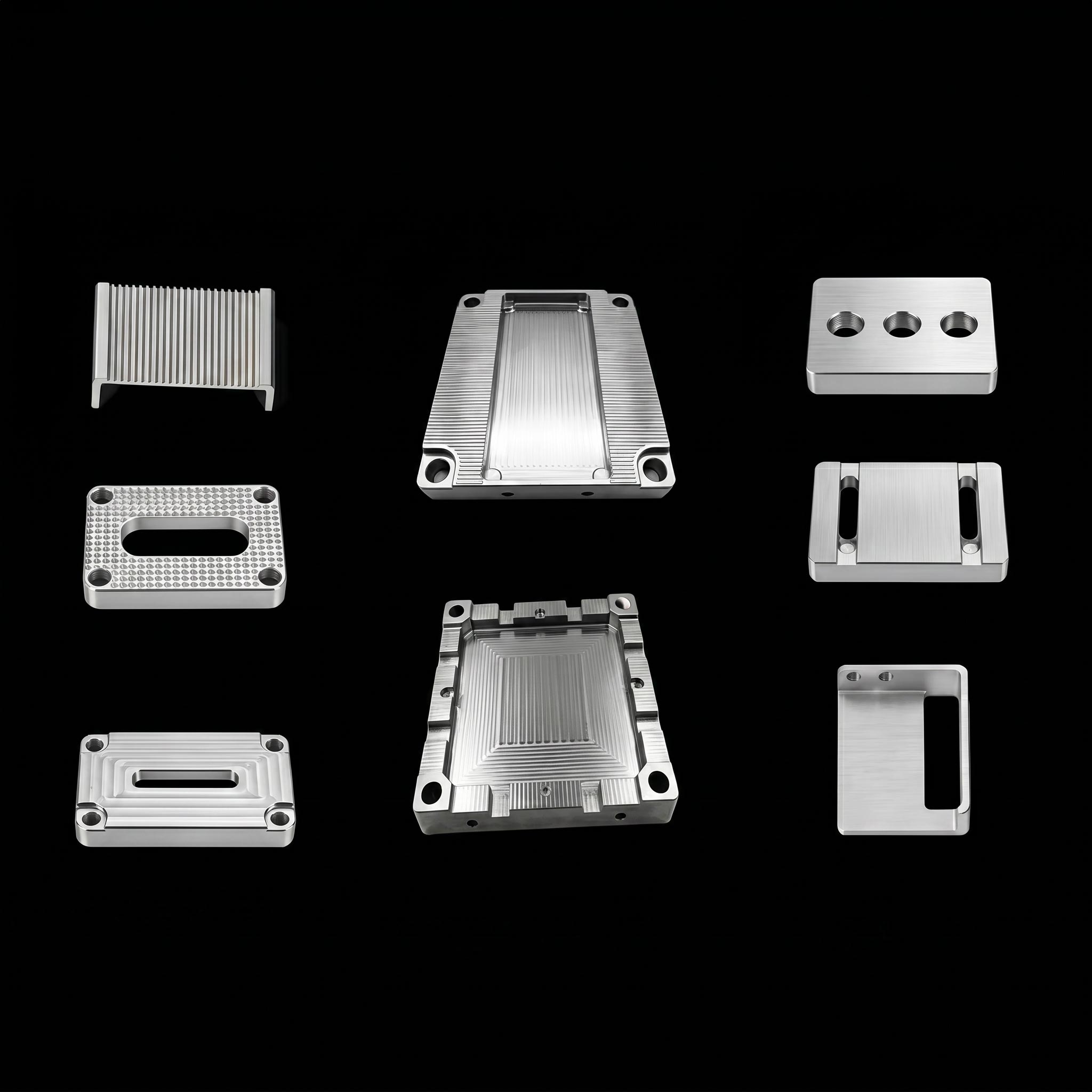
CNC machined 5083 / 5052 Aluminum components

What 5083 / 5052 Aluminum is good at

✓

Best corrosion resistance of the common machinable aluminum grades, including salt water

✓

Excellent weldability — the standard choice for welded aluminum structures

✓

Good formability in 5052, which suits formed-then-machined parts

✓

Not heat treatable, so no distortion from post-weld heat treatment

How we cut 5083 / 5052 Aluminum

Starting parameters for carbide tooling. These are the shop's working numbers, not brochure values — adjust for machine rigidity, tool geometry and workholding.

Surface speed 250–450 m/min
Feed per tooth 0.10–0.20 mm/tooth
Tooling 2–3 flute carbide with polished flutes
Coolant Flood with a lubricity additive; mist for light cuts

What actually happens on the machine

Gummy compared with 6061. Keep the feed up so the tool cuts rather than rubs — if the feed drops, the material work-hardens and starts pressure-welding onto the cutting edge. Chip welding is the main failure mode.

Where 5083 / 5052 Aluminum is used

Surface finishes for 5083 / 5052 Aluminum

Paint or powder coating (preferred)Clear anodizing (dark, blotchy)Chromate conversionShot blasting

What 5083 / 5052 Aluminum costs

1.2–1.35× 6061 relative to 6061 aluminum

Material costs more than 6061 and machining is slower because of the gummy chips. If the part needs a cosmetic anodized finish, budget for a grade change rather than paying for anodizing that will look wrong.

For the full cost structure — material, programming, setup, cycle time, finishing and inspection — see CNC machining cost per hour, and for how price changes with quantity see machining by production volume.

5083 / 5052 Aluminum FAQ

Can 5083 be anodized?

It can, but the result is unattractive and inconsistent. 5083 contains magnesium as its main alloying element, and magnesium-rich phases oxidize at different rates than the aluminum matrix, producing a dark, blotchy, sometimes near-grey-black finish. If a 5083 part needs a cosmetic anodized surface, switch to 6061 or 5052.

Why does 5083 machine worse than 6061?

Its high magnesium content makes it gummy, so chips tend to smear and pressure-weld onto the cutting edge instead of clearing. The fix is not more coolant — it is keeping the feed rate up so the tool cuts rather than rubs, plus a lubricating additive rather than plain water.

What is the difference between 5083 and 5052?

5083 has more magnesium (roughly 4.5% versus 2.5%), which gives higher strength and better corrosion resistance but worse formability. 5052 is the general-purpose sheet grade and is easier to form. For welded structures choose 5083; for formed panels choose 5052.

Is 5083 suitable for food contact?

5083 and 5052 are both widely used in food processing equipment, but the finish matters more than the alloy. A smooth, cleanable surface and appropriate cleaning regime are the governing requirements; discuss the specific standard that applies to your application.

Related materials

Machining 5083 / 5052 Aluminum? Send the drawing.

Tell us the grade and temper, the quantity and what the part has to do. You get a line-item quote within 24 hours, with DFM feedback on anything that is raising the cost.

Chat on WhatsApp